Contact us
 | 
Site Map 
 
 
From the Director
The School
Programme
News
Links
Publications
Alumni


Upper Primary Organisation

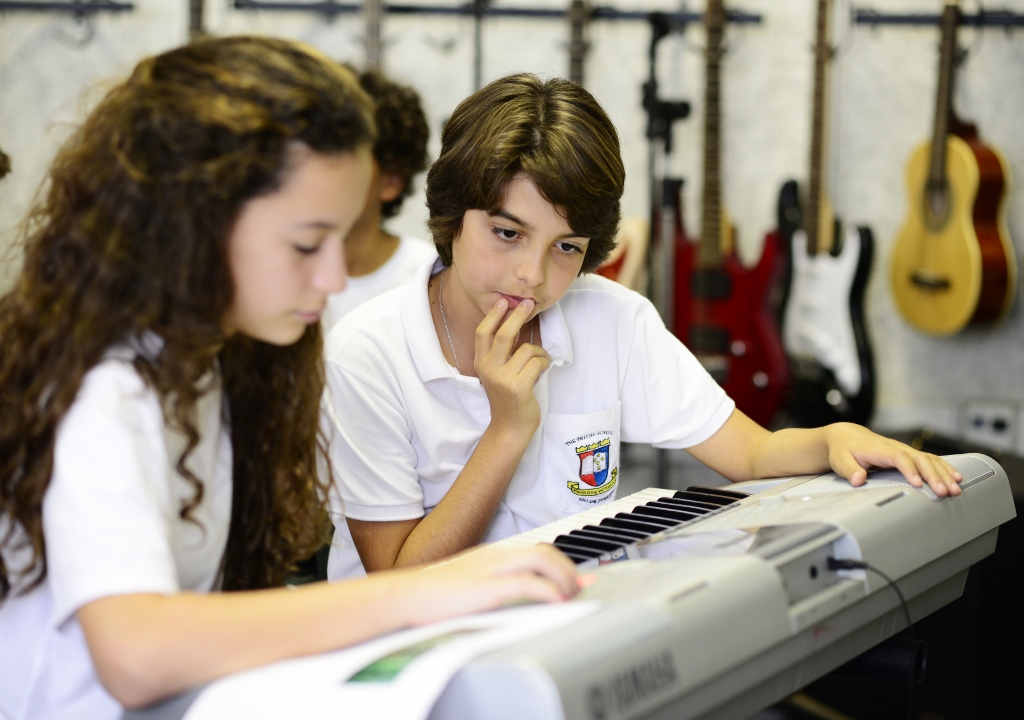
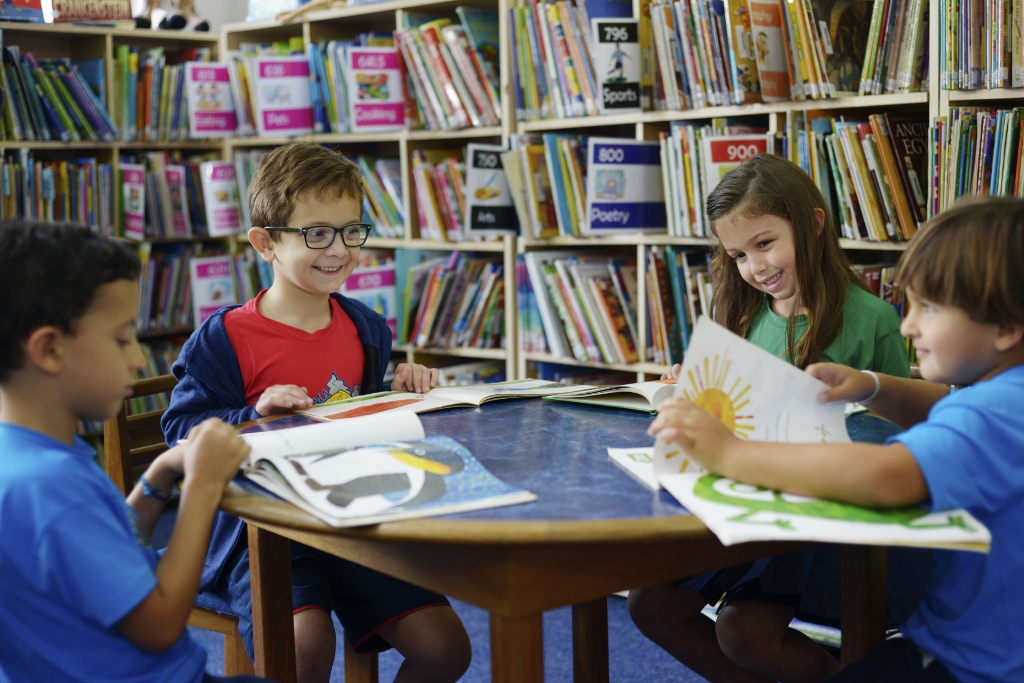
The Upper Primary is for children aged 7 to 10 and comprises Classes 1 to 3. All classes are mixed ability and the environment is structured and prepared to promote and develop positive attitudes and practical skills as well as the understanding of concepts and the application of knowledge. Pupils in Classes 1 to 3 are taught mainly by a class teacher, with subject specialists teaching Music, Drama, PE, ICT and Portuguese lessons.

Class 4 is grouped together with Class 5 to form a transition group also known as the Lower Seniors. Class sizes range from 20 to 24 pupils. The number of subject teachers increases in Class 5 to prepare pupils for the transition into Senior School, which begins at Class 6.

House System

The Foundation Stage, the Primary and Lower Seniors are organised into a system of four Houses, which serves as a vehicle for internal school activities, including competitions. The Houses at Botafogo are named after animals indigenous to Brazil, one from each group of birds, fish, reptiles and mammals - Harpy Eagle, Arapaima, Caiman and Jaguar. The Houses at Barra are named after legendary and mythological creatures - Griffins, Unicorns, Phoenix, Dragons.

A House Captain, Vice Captain and House Prefects are elected each year to represent and lead the pupils of each House.

Curriculum

Classes 1 to 4 are the equivalent of Years 3 to 6 of the National Curriculum for England (Key Stage 2) and the first four years of the Brazilian Ensino Fundamental (Table of Year Group Comparison). While the programme at this stage has been created to differentiate learning and meet the individual needs of the child, there is a basic standard or attainment required to enter at this level or to pass from one class to the next.

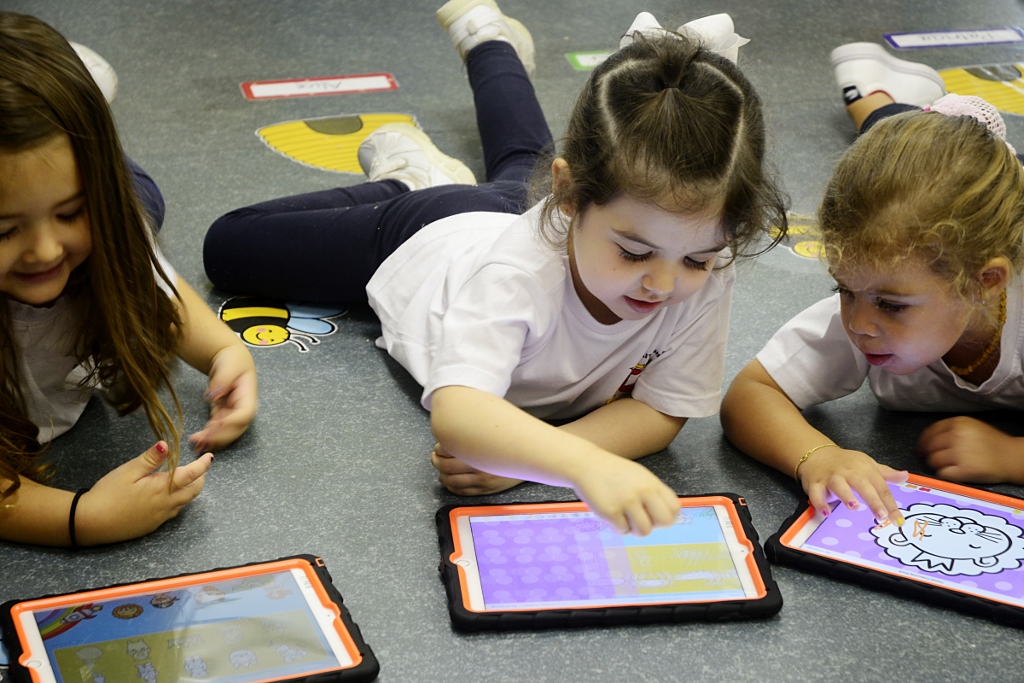
The subject areas developed in the Primary School are: English, Portuguese, Mathematics, Science, Art and Technology, Information and Communication Technology, Social Studies (History and Geography), Music, Drama and Physical Education. In Classes 1 to 4 pupils study using a cross-curricular approach, which is developed through a central idea or theme, called a Learning Unit. Each class studies six learning units during an academic year. The current learning units are:

Class 1 Class 2 Class 3 Class 4
Health & Well-being Our Body We are what we eat Vision
Cidade Maravilhosa Our Local Environment What have the Greeks ever done for us? Impacts on the Natural World
The Power of the Sun On the move Scales of Movement A Sense of Place
Materials & their properties Historical Detectives Our History Making Connections
Why Brazil? Power Samba do Avião Changes
Brazilian Rainforests H2O Different States Revolutions

The curriculum content in all subject areas is motivating and challenging. High standards are expected and maintained. The pupils are exposed to the skills, concepts and attitudes which prepare them intellectually, physically, socially and morally for life in the Secondary School.

In Class 5 pupils follow a senior school curriculum linked in discreet subject lessons with specialist teachers in preparation for Class 6 and beyond.

Celebrations & Events

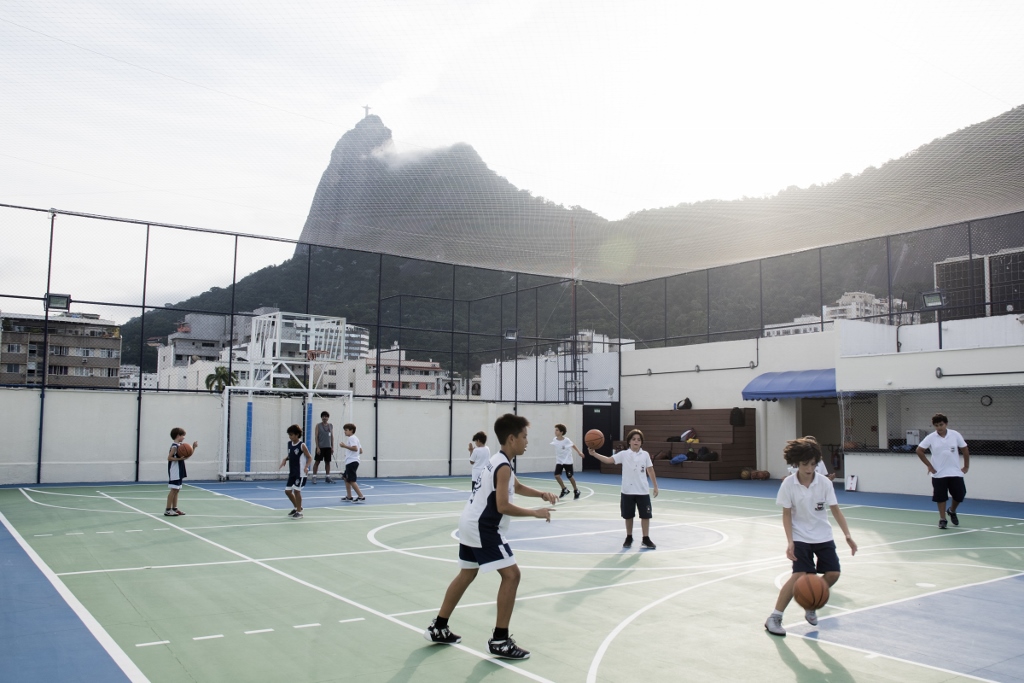
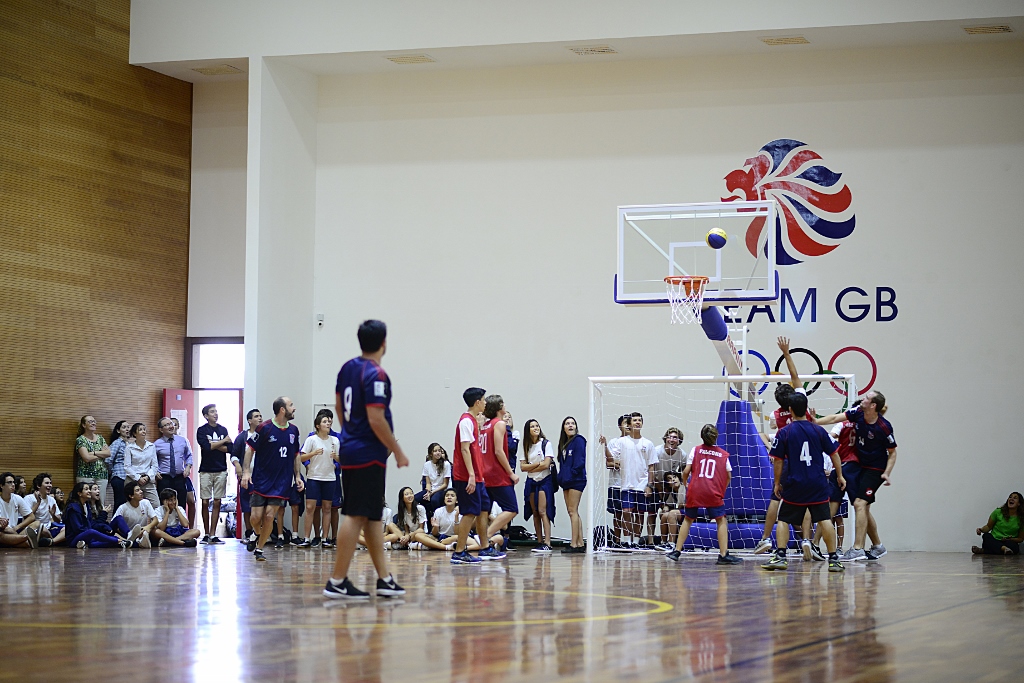
Throughout the year, each department in the Primary School holds a variety of special events. There are Sports Days, Music Evenings, Talent Shows, exhibitions and drama performances for all year groups.

Assemblies are held weekly and pupils are given many opportunities to both organise assemblies and perform.

Visits and Visitors

Parati TripPrimary pupils go on educational outings a few times per term. These trips are related to the theme or topic the children are studying in their current Learning Unit.

Class 3 pupils have a 3-day residential trip to Petrópolis, an historic town having strong connections with the Portuguese Royal Family, set in the beautiful hills behind Rio. Class 4 has a special 4-day field trip to Paraty, a former colonial port and World Heritage site about 300 kilometres south of Rio and rich in historical buildings, folklore and culture. We also encourage speakers to come in to the school and give presentations to the children.

Transition to Secondary

The structure of Secondary School education is based on subject-specialist teaching rather than the class teacher system used in Primary schools. The transition from one to the other may cause difficulties for some children. In order to make this change a more gradual process, the curriculum and daily life of Classes 4 and 5 is designed to increase progressively the amount of subject specialist teaching.

Class 4 pupils are taught mainly by their Class Teacher but also by a limited number of Subject Teachers. The children move to specially equipped rooms for some of their subjects. When the pupils move on to Class 5 they have a larger number of specialist teachers.

The Class 5 curriculum is specifically designed to articulate both with that of the Class 4 and with that of Class 6, who have the full range of Secondary specialist teachers. Class 5 students’ pastoral needs are catered for by Class Tutors, who also teach their class for one or two subjects. At both the Botafogo and Barra sites, this group is managed by the Primary Management Team, with active contributions from the Head of Senior School, and from the Heads of the Subject Departments who oversee the curriculum.

 
© Copyright 2002-2012 The British School, Rio de Janeiro
Comments, Report Broken Links: Webmaster ::